
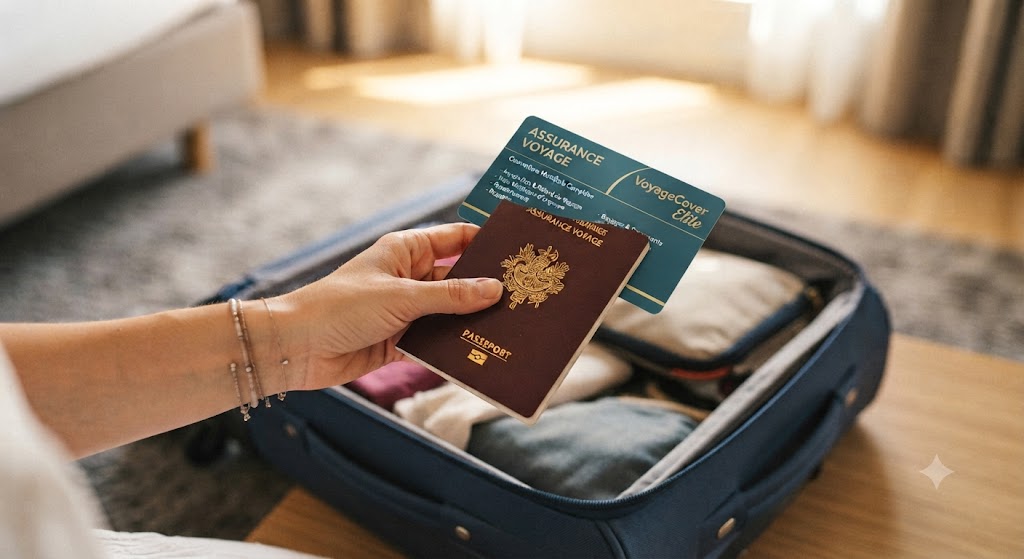
I am an optimist. Chronic. Incurable. Yet I still almost left a fortune behind in a hospital in Bangkok. It happened in Thailand: a scooter, a wet road. Ambulance, ER, IV drip. And there I was, frantically searching for my insurance certificate on my phone. The good news: I was insured. The bad news: I hadn’t read the terms and conditions before leaving.
Ever since, I read everything. And I’m telling you exactly what to look for.
What Your Credit Card Really Covers
The great travel illusion is the credit card. We tell ourselves we’re covered. We don’t read the terms and conditions. And that’s where things go wrong.
Standard vs. Premier Cards
A standard Visa or Mastercard offers medical coverage between €11,000 and €30,000. That’s not nothing. Except in the United States, a single night in intensive care can exceed $10,000. Visa Premier or Gold Mastercard limits go up to €150,000. Coverage duration: 90 days from departure. Strict condition: you must have paid for the ticket using that card. If you used a gift voucher or another payment method, the coverage is void.
Exclusions Nobody Reads
Credit cards generally do not cover medical repatriation. Nor luggage insurance. Nor personal liability. Nor adventure/risk sports—even mountain biking or kitesurfing while on vacation. And if you travel for more than three months—a world tour, Working Holiday Visa (WHV), or expat stay—coverage ends at exactly 90 days. Anything beyond that is out of pocket. To fully understand how to manage banking fees while traveling, I wrote a dedicated guide. Credit cards are part of the toolkit, but they are no substitute for true travel insurance.
Medical Costs Abroad: Eye-Opening Numbers
In France, we are so used to state healthcare that we forget the rest of the world works differently. Very differently. United States: a single day of hospitalization averages $10,000. Canada: figures are in a similar range. Australia, Japan, Switzerland: medical costs can blow through a travel budget in hours. I experienced hospital care firsthand in Thailand, a country known for being affordable. Without insurance, that bill would have been substantial. Within the Schengen Area, your European Health Insurance Card (EHIC) covers treatment in public institutions. That works fine for a stomach bug or a sprained ankle in Italy. But it won’t cover repatriation, private hospital care, or medical evacuation. For those traveling to the U.S. in particular, check out my guide to Las Vegas—where I talk through a few practical mishaps.
Essential Coverages to Check Before You Sign
Not all travel insurance policies are created equal. Here is what truly matters.
Medical Repatriation
This is coverage I experienced up close. As a teenager in England, I tore ligaments during ice skating practice. Ambulance, medical flight, return to France. Groupama handled every step. My parents were terrified. So was I. But logistically: zero financial stress. Good news: repatriation costs do not count against your general medical expense limit. They are two separate caps. Make sure your contract keeps them distinct.
Luggage Insurance & Personal Liability
For luggage, check the per-item reimbursement caps, not just the overall total. A policy might cover €3,000 in luggage, but cap electronics at €300 per device. Keep your receipts. That saved me in Las Vegas with my camera gear. Personal liability covers accidental damage caused to third parties—injuring someone by mistake or damaging property. It’s rarely dramatic, but without coverage, it can get expensive very fast.
Adventure Sports and Two-Wheelers
Scuba diving, kitesurfing, skydiving, paragliding: these are frequently excluded from standard plans. The same goes for scooter accidents in Southeast Asia—explicitly excluded in many policies. Yet renting a scooter in Bali or Vietnam is almost unavoidable. Add a sports rider. It costs very little and changes everything. If traveling with kids, make sure to check coverage for advanced pregnancy and terms for young children. I cover this in detail in my family travel guide.
Choosing the Right Travel Insurance for Your Situation
There is no one-size-fits-all answer. It comes down to your situation, destination, and duration.
For Short Trips (Under Three Months)
If you hold a Visa Premier and are traveling outside the EU for under 90 days, your card coverage may suffice for a standard trip profile. Double-check destination-specific exclusions regardless. For the United States, Canada, or Australia: always purchase dedicated travel insurance regardless of card tier. Credit card coverage limits simply cannot handle local medical costs.
For Working Holidays (WHV) or World Tours
The go-to choice here is Chapka Assurances with their Cap Vacances Travail policy. It covers work activities, volunteering, WWOOFing, and seasonal jobs. 24/7 repatriation, 100% medical costs without a deductible, and personal liability included. Countries offering this visa—Australia (416, 417, 462), Canada, New Zealand, Ireland—recognize it for permit approval. A smart strategy if you hold a Visa Premier: let the card cover your first 90 days. Activate the Chapka policy starting on day 91. This saves several months’ worth of premiums.
For Studying Abroad
My mother worked for a mutual insurer. She did me a huge favor by setting me up with proper insurance before my first study-abroad program. Chapka’s Cap Student policy remains the benchmark: unlimited 100% medical expenses, repatriation, liability, and optional coverage for interrupted studies. Accepted by virtually all universities across the U.S., Canada, Australia, and China.
Hidden Traps in the Fine Print
This is where great policies separate themselves from bad ones. Waiting periods (carency): if you purchase coverage long after booking your trip, some insurers apply a waiting period before cancellation coverage takes effect—ranging from 48 hours to 10 days. Get insured as soon as you book your tickets. Pre-existing conditions: managing diabetes, a heart condition, or oncology follow-ups? Most insurers require a medical questionnaire and apply a surcharge. Others flat-out exclude complications related to pre-existing conditions. Read this section carefully; do not discover it from a hospital room. Rental car deductibles: insurance is often bundled into rental contracts, but excess deductibles can range from €1,500 to €2,000. Verify whether your travel insurance covers car rental deductibles or purchase standalone excess insurance. Finally, beware of policies that pool your medical expenses and repatriation into a single coverage cap. If repatriation costs €25,000 and your global cap is €30,000, you are left with only €5,000 for medical care. That isn’t travel insurance—it’s a false sense of security.
My Top Recommended Insurers
I am not an insurance broker. These names come up consistently in my personal experience and feedback from readers.
- Chapka Assurances: My top recommendation for long-term travel, working holidays, and studying abroad. Clear interface, broad offerings, competitive pricing. Cap Multi Voyages is a great option if you travel frequently throughout the year.
- AVI International: Long-term travel specialist with solid medical guarantees. Less widely known, but often cheaper than Chapka for specific profiles.
- ACS: Great value for short trips. Always compare coverage caps before signing.
- Groupama: A trusted traditional option I personally tested during my repatriation from England. Responsive, thorough, no surprises. Their repatriation insurance deserves a standalone review.
For medical emergencies that happen despite preparations, I have outlined key steps to take on site. And if traveling with specific medication, check my pre-departure preparation checklist.
A Final Word from a Travel Pro
I wrote this article after my scooter accident in Bangkok and after walking a friend through reimbursement procedures following a hospital stay in Canada. In both cases, proper insurance meant the difference between returning home hassle-free or spending months negotiating with an uncooperative insurer. Travel insurance is not an added expense—it is the single budget line that protects you when everything goes sideways.
Inside the Jet-Lag Club, I have uploaded a complete downloadable pre-departure checklist: questions to ask your provider, documents to carry, and regional emergency numbers.
→ Access the complete version
Leave a Reply